Pragmatic idealist. Worked on Ubuntu Phone. Inkscape co-founder. Probably human.
1549 stories
·
12 followers

How The New Yorker digitized its entire magazine archive

1 Share

You can now read every article that has ever appeared in The New Yorker—from as early as February 1925—with the click of a button.

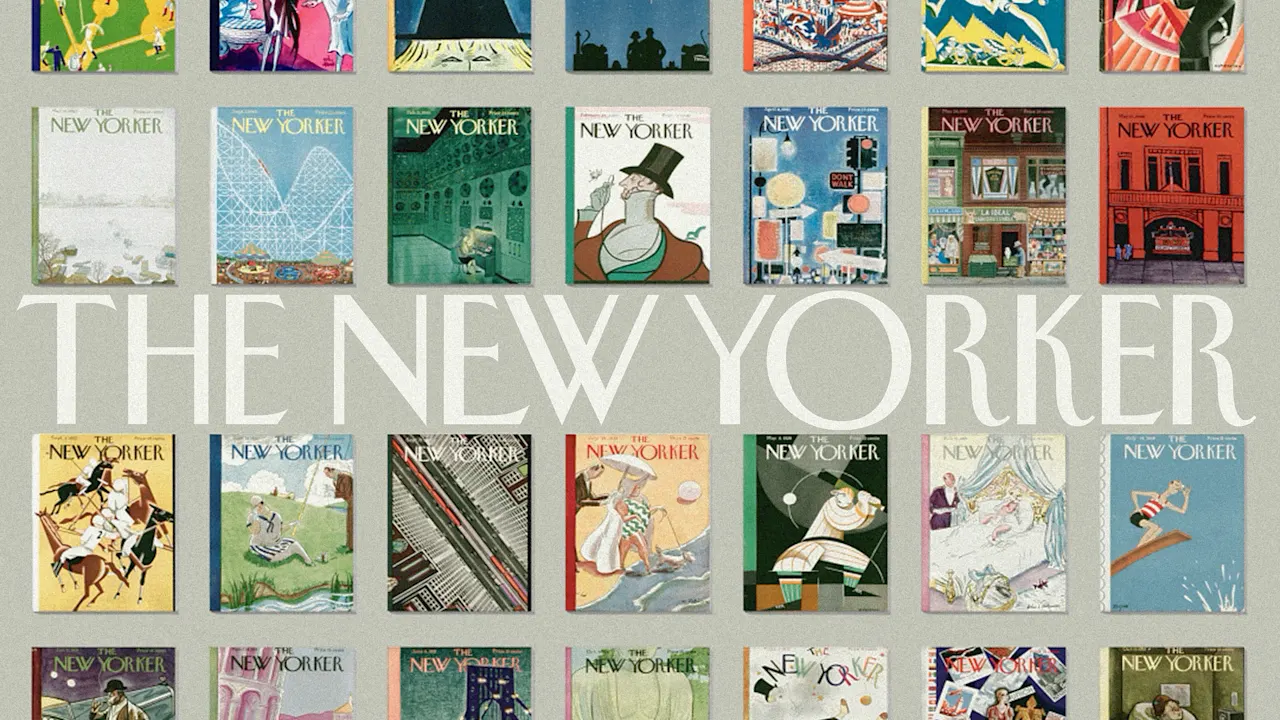
For the publication’s centennial anniversary, its editorial team has spent months painstakingly scanning, digitizing, and organizing every single issue it’s ever published, or more than half a million individual pages. Each issue is artfully arranged in a chronological display under a purpose-built archive section of the website; but the content has also been incorporated into The New Yorker’s search algorithm so that readers can come across it organically.

As the future of magazine journalism remains uncertain, a look back through this carefully archived material demonstrates the importance of preserving print media for the future. 

Digitizing a century-old archive

The process of digitizing The New Yorker’s full catalog actually started back in 2005. That year, explains Nicholas Henriquez, the publication’s director of editorial infrastructure, Random House published The Complete New Yorker, a book that came with DVD-ROMs (now retro tech) containing scanned pages from all the pre-digital issues. Then, in early 2024, Henriquez’s team started to convert those scans into digital text.

To start, this meant consulting with The New Yorker library, where the magazine’s physical archives are stored, to re-scan several hundreds of pages that required another pass for a number of reasons—including damage, a poor initial scan, or a corrupted file. “Some of the older issues, from the first five years or so, were basically untouched,” Henriquez says. “I had to use a letter opener to open the pages to scan some of them.”

After the team had a complete collection of files, they then began the painstaking process of formatting and styling them for the web. There were the predictable challenges of making old magazine articles work online. Each needed a workable headline, description, and image. Bylines in particular were tricky, Henriquez says, as many early writers would use pseudonyms or humorous one-off pen names—or, in some cases, fail to sign their name at all.

“That’s part of the value of having, as The New Yorker does, a team of technologists who are part of the editorial staff: We can build these databases and apps and scripts, and we can also look at something in that database like ‘Ogden de Sade’ and know, okay, that’s Ogden Nash, and it’s funny, and we should figure out a nice way to keep that joke online,” Henriquez says. “There were many instances where our technological approach was informed by this deep understanding of the magazine’s history and its cultural context.”

Unearthing a treasure trove of early journalism

Over the course of this process, Henriquez unearthed stories that he never could have expected. He came across a short, unsigned book review from 1935 of a memoir by a survivor of a Nazi concentration camp, and says he had to “triple-check that we didn’t have bad data somewhere, because that review was published in March of 1935, just two years after Hitler became chancellor. I didn’t realize those stories were out there that early, much less being translated into English and published in America.” 

On a lighter note, he also found a piece about going to the Newark airport at the dawn of commercial aviation in 1933, and a 1947 article that’s one of the first examples of TV criticism ever published by The New Yorker. Along the way, he says, he rediscovered what makes magazine writing special.

“In a newspaper, most stories have the same framing: ‘This happened,’” Henriquez explains. “But a magazine article can do something different: It can be told in a different tense or in a different way—‘This could happen,’ ‘This happened to this person.’” 

Examples of this distinct genre of analysis include a 1969 article, a few months before the moon landing, that lays out how it will happen, step-by-step; or a pre-Sputnik piece about American scientists trying to launch the first satellite; or a 1961 feature on the rollout of desegregation, as witnessed by author Katharine T. Kinkead and a group of Black college students driving around Durham, North Carolina. 

Henriquez says: “These kinds of things, I think, make magazine journalism essential and unique.”


Read the whole story
tedgould
1 hour ago
reply
Texas, USA
Share this story
Delete

Conservative Leaders Can’t Ignore Candace Owens

1 Share
The right mastered influencer politics. Now they’re tearing the movement apart.

Read the whole story
tedgould
20 hours ago
reply
Texas, USA
Share this story
Delete

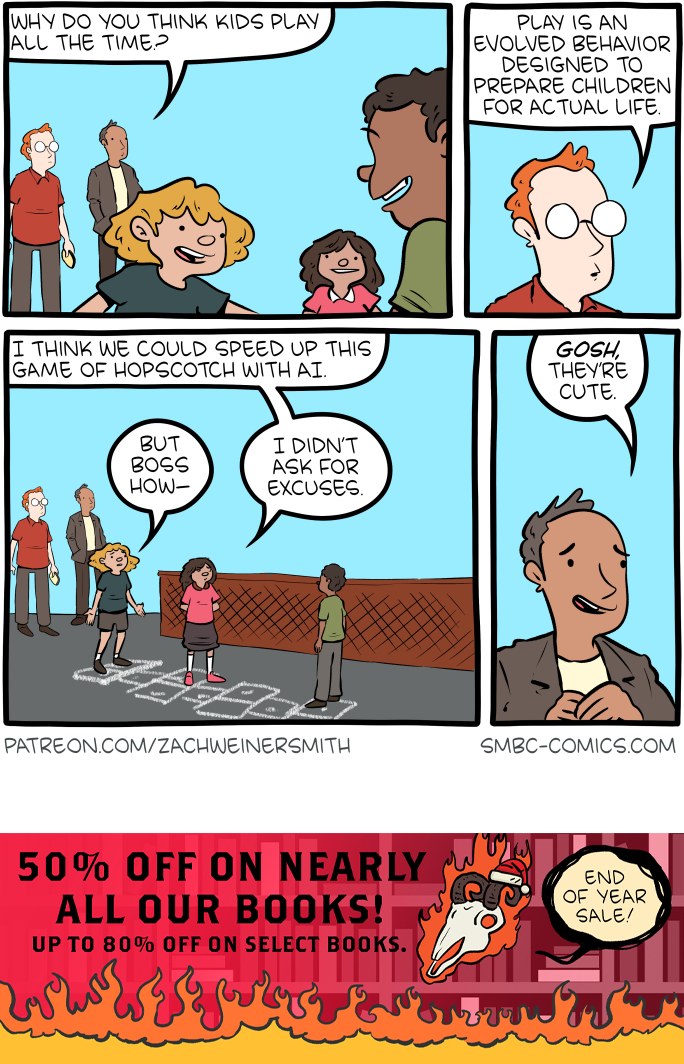
Saturday Morning Breakfast Cereal - Hop

1 Share


Click here to go see the bonus panel!

Hovertext:
Of course you don't need AI. You can just crunch the numbers in excel.


Today's News:
Read the whole story
tedgould
1 day ago
reply
Texas, USA
Share this story
Delete

How Europe’s new carbon tax on imported goods will change global trade

1 Share

For people living in the European Union, the price of their next car, home renovation, and even local produce may soon reflect a climate policy that many have never even heard of. This new regulation, which comes fully into force on New Year’s Day, does not just target heavy industry—it affects everyday goods which now face an added carbon cost when they enter Europe.

The carbon border adjustment mechanism (CBAM) puts a carbon price on many imported goods—meaning that EU-based importers will pay for the greenhouse gases emitted during the production of certain carbon-intensive materials.

If goods come from countries with weaker climate rules, then the charge will be higher. To sell to the EU, producers will effectively need to show their goods aren’t too carbon-intensive.

The goal is to prevent companies from relocating their production to places with looser regulations, ensuring fair competition between EU and non-EU companies, while incentivising global decarbonisation.

After a trial phase, full payment obligations begin on January 1 2026, when importers will need to buy CBAM certificates to cover the embedded emissions in goods such as iron and steel, aluminium, cement, fertilisers, hydrogen and (eventually) electricity.

Although it is an EU climate policy, CBAM looks set to be a game-changer for global trade. Countries that rely on EU exports may need to make costly investments in cleaner technologies and better emissions tracking, or risk losing market share. The UK government plans to introduce its own version of CBAM in 2027—although how this links to the EU’s is yet to be decided.

A positive shift is already underway: more and more companies are now measuring and reporting their emissions accurately, responding to the growing demand for reliable carbon data. At the same time, an increasing number of countries are introducing their own carbon pricing systems to stay aligned with the EU and protect the competitiveness of their exports.

Morocco is a prominent example: its 2025 finance law gradually introduces a carbon tax from January 2026. As Moroccan firms will already pay a carbon price domestically, their exports are likely to avoid additional CBAM charges at the EU border, helping them remain competitive.

In many countries, CBAM is also accelerating interest in renewable energy and greener industrial processes. Some see it not as a threat, but an opportunity to attract investment and position themselves as low-carbon manufacturing hubs.

However, this mechanism is still controversial. For businesses, CBAM is complex and administratively heavy. Firms need robust systems to measure embedded emissions, collect data from suppliers, and produce environmental product declarations. Many will also need new renewable energy contracts to cut their carbon footprint.

Around the world, CBAM has faced strong criticism. India and China describe it as “green protectionism,” arguing that it puts unfair pressure on developing economies. At the same time, the EU has not yet created dedicated funding to help exporters in lower-income countries adapt. Without this support, the mechanism may not achieve the desired results.

What about consumers?

Although CBAM is mainly aimed at industry, its ripple effects will reach consumers in the EU. Importers are unlikely to absorb the full additional cost, meaning prices are likely to rise—particularly for goods that rely heavily on steel, aluminium, or cement. This could mean Europe sees higher costs for cars, home appliances, electronics, building materials, and, indirectly, food production (through fertilizers).

At the same time, CBAM may bring more transparency. Because importers must report the emissions embedded in their goods, consumers may eventually have clearer information about the climate impact of what they buy.

The mechanism will also generate EU revenues from certificate sales. These are expected to support vulnerable households in many European countries, as well as funding clean technologies and improving energy efficiency. How the funds are used will be crucial to public acceptance of Europe’s new carbon tax.

Even before full implementation, CBAM is already reshaping supply chains and influencing government policies far beyond Europe’s borders. It may trigger trade disputes, push exporters to adopt carbon pricing, and highlight the need for more climate finance to support developing countries undergoing green industrial transitions.

For many European consumers, it’s likely to mean gradual price increases—and potentially, more climate-conscious purchasing decisions. Behind the scenes, it marks a significant shift in how global trade accounts for carbon—and how climate policy reaches into people’s everyday lives.

Simona Sagone, PhD Candidate, Green Finance, Lund University; University of Palermo. This article is republished from The Conversation under a Creative Commons license. Read the original article.

Read full article

Comments


Read the whole story
tedgould
1 day ago
reply
Texas, USA
Share this story
Delete

The evolution of expendability: Why some ants traded armor for numbers

1 Share

The trade-off between quality and quantity is a fundamental economic dilemma. Now, a team of British, American, and Japanese researchers describes how it applies to biology, as well. They have discovered that this dilemma most likely shaped the evolutionary trajectory of ants, one of Earth’s most successful groups of organisms.

Their study reveals that, as ant societies grew in complexity and numbers, they didn’t just make their workers smaller—they also made them cheaper.

The cost of armor

In the insect world, the exoskeleton known as the cuticle serves as a protective barrier against predators, pathogens, and desiccation, while providing the structural framework for muscle attachment. But this protection comes at a price. Building a robust cuticle requires significant amounts of nitrogen and rare minerals like zinc and manganese. While skimping on armor for an individual insect may be a death sentence, the evolution of ants apparently found a way around it.

“There’s this question in biology of what happens to individuals as societies they are in get more complex?” said Evan Economo, an entomologist at the University of Maryland and co-author of the study. “For example, the individuals may themselves become simpler because tasks that a solitary organism would need to complete can be handled by a collective.”

Economo’s team hypothesized that the metabolic balance behind investing in cuticles in social insects like ants could favor the collective over the individual. The idea was that a colony of 10,000 workers could lose a few individuals to a predator without much consequence, so investing heavily in each worker’s defenses would seem like a waste of precious nutrients. To test this hypothesis, they examined whether ant lineages that maintain massive, specialized workforces reduce the investment in their individual workers’ exoskeletons.

Scanning superorganisms

To test this idea, the researchers needed to pull off a comparative study on the anatomy of ants at an unprecedented scale. “We worked with scans of ant specimens and species from all over the world to capture the global diversity of ants,” Economo says. The team used a massive database called Antscan, which contains three-dimensional X-ray microtomography imaging of ants from around the globe.

Microtomography works similarly to medical CT scans, but at a vastly higher resolution. Still, on its own, the technique could only generate lots of precise data—it still had to be interpreted. Parsing through 3D imagery of over 880 specimens, including workers, queens, and males belonging to over 500 different species, was another challenge. “The 3D scanning itself is a very advanced technology,” says Arthur Matte, a researcher at the University of Cambridge and lead author of the study. “But once you have the ants in three dimensions, it’s still very hard to segment manually every tissue you’re interested in.”

To solve this, Matte developed a computer vision algorithm for “unsupervised segmentation.” Because the cuticle is always the outermost tissue of an arthropod, the algorithm could automatically identify and measure the volume of the exoskeleton across all ants in the dataset.

The first thing scientists noticed when the results poured in was that cuticle investment varied wildly, ranging from 6 percent to 35 percent of an ant’s total body volume. So, the next thing they focused on was figuring out the reasons behind these variations.

The numbers game

The team started checking how factors like diet, temperature, humidity, and foraging style correlated with the size of the cuticle. To get a handle on this, segmented 3D scans were fed into evolutionary models. “One of the most insightful things we did was to individually remove such variables from the models to estimate their contributions to the final cuticle investment,” Matte explains. This way, scientists learned that temperature was responsible for just 12 percent of variation in cuticle size and diet—especially its nitrogen content—explained another 37 percent. But the factor that had the strongest impact on the model was the colony size.

Ants that invested less in their cuticle tended to have significantly larger colony sizes. More surprisingly, this reduction in cuticle investment and the resulting increase in colony size appeared to be associated with higher diversification rates. In biological terms, squishier ants could evolve to occupy new niches much faster than their heavily armored cousins. “Requiring less nitrogen could make these ants more versatile and able to conquer new environments,” Matte suggests. This efficiency may have allowed ants to transition from a diet of high-protein prey to more abundant but less nutritious liquid sugar sources, like honeydew or floral nectar.

“Ants reduce per-worker investment in one of the most nutritionally expensive tissues for the good of the collective,” Matte explains. “They’re shifting from self-investment toward a distributed workforce.”

Power of the collective

The researchers think the pattern they observed in ants reflects a more universal trend in the evolution of societal complexity. The transition from solitary life to complex societies echoes the transition from single-celled organisms to multicellular ones.

In a single-celled organism, a cell must be a “jack-of-all-trades,” performing every function necessary for survival. In a multicellular animal, however, individual cells often become simpler and more specialized, relying on the collective for protection and resources.

“It’s a pattern that echoes the evolution of multicellularity, where cooperative units can be individually simpler than a solitary cell, yet collectively capable of far greater complexity,” says Matte. Still, the question of whether underinvesting in individuals to boost the collective makes sense for creatures other than ants remains open, and it most likely isn’t as much about nutritional economics as it is about sex.

Expendable servants

The study focused on ants that already have a reproductive division of labor, one where workers do not reproduce. This social structure is likely the key prerequisite for the cheap worker strategy. For the team, this is the reason we haven’t, at least so far, found similar evolutionary patterns in more complex social organisms like wolves, which live in packs—or humans with their amazingly complex societies. Wolves and people are both social, but maintain a high degree of individual self-interest regarding reproduction. Ant workers could be made expendable because they don’t pass their own genes—they are essentially extensions of the queen’s reproductive strategy.

Before looking for signs of ant-like approaches to quality versus quantity dilemmas in other species, the team wants to take an even closer look at ants. Economo, Matte, and their colleagues seek to expand their analysis to other ant tissues, such as the nervous system and muscles, to see if the cheapening of individuals extends beyond the exoskeleton. They are also looking at ant genomes to see what genetic innovations allowed for the shift from quality to quantity.  “We still need a lot of work to understand ants’ evolution,” Matte says.

Science Advances. 2025. DOI: 10.1126/sciadv.adx8068

Read full article

Comments


Read the whole story
tedgould
1 day ago
reply
Texas, USA
Share this story
Delete

The Map Happenings ‘Must Have’ Mappy Books for 🎅🏼🕎🎄🎁

1 Share

Ok, it’s that time of year isn’t it? When people in the US celebrate something called “Thanksgiving” while everyone else celebrates… well, let’s not get into that.

And immediately afterwards of course it’s all about commerce. Money has to be spent. Wallets have to be emptied. And credit cards have to be maxed out.

How could Map Happenings possibly not do its part?

So without further ado, and in no particular order, please gorge on this rather delicious list of fourteen ‘mappy’ books that you, your friends or your family might slurp up.

These mapping gems range from amusing, to epic, to colourful, to insightful, to quaint, to just pure ‘must have’.

I didn’t bother with any affiliate links, so don’t worry, no enrichment of yours truly will take place if you happen to buy something.

Credit: Michael Howe and Harper Collins

One of my favourites. A very cathartic book of gloriously silly maps that will just make you laugh. Enough said.

Michael Howe (2024)

US$16 on Amazon. £15 at HarperCollins.

Credit: Damian Saunder

Who doesn’t like music and who doesn’t like maps? Maps on Vinyl provides the perfectly delicious combo. Showcasing 415 album covers that feature maps of all kinds, it’s the perfect gift for music lovers who have a soft spot for maps.

Damian Saunder (2025)

US (US$50)
UK and EU (£40) Australia (AU$53)

Credit: Mark Cooper-Jones, Jay Foreman & Hanover Square Press

Written by the “Map Men”, the guys that make the most fun and amusing mapping videos on YouTube. Now they’ve published their first book and it’s already a bestseller. In summary: the world’s very best wrong maps.

Mark Cooper-Jones and Jay Foreman (2025)

US$16 on Amazon.

Credit: Dava Sobel and Bloomsbury

This book tells the unbelievably epic story of one of the most important technical innovations of the 1700s: how to accurately measure longitude. Told by Dava Sobel in her bestseller, it’s a gripping tale of clocks, rivalry, obsession and precision that quite literally shaped how we navigate the world. A reminder that behind every neat, gridded atlas lies a messy human saga.

Dava Sobel (1995)

US$9 on Amazon.

Credit: Zoran Nikolic and Collins UK

A treasure chest of peculiar enclaves, exclaves and geopolitical leftovers that somehow still exist. It’s geography’s blooper reel — except it’s all real, and in many cases still actively confusing the people who live there.

Zoran Nikolic (2019)

US$19 on Amazon. £15 at HarperCollins.

Credit: The Onion and Little, Brown and Company

Last published in 2007 but still relevant, this 73rd edition contains fewer clouds, curvier latitude lines and better veiled xenophobia. What better distraction for today’s world?

The Onion (2007)

US$12 on Amazon. Hardcover US$30.

Credit: Gideon Defoe and Europa Compass

Defoe guides us through the neglected graveyard of failed, forgotten, or downright absurd nations. Each entry reads like a eulogy for a geopolitical oddball — humorous, sharp, and quietly insightful. For anyone who loves borders that didn’t survive contact with reality, this atlas is both entertaining and surprisingly poignant.

Gideon Defoe (2022)

US$10 on Amazon. Hardcover US$22.

Credit: Jeremy Brotton and Penguin Books

In this New York Times bestseller, Brotton chooses a dozen maps that shaped how humanity sees itself — from ancient Babylon to Google Earth — and digs into the power, politics, and ideology baked into each one. It’s not just cartography, it’s a history of human ambition disguised as geography. A smart reminder that every map tells a story — and none are neutral.

Jeremy Brotton (2014)

US$22 on Amazon. Hardcover US$43.

Credit: Mark Monmonier and University of Chicago Press

First published in 1991 and now in its third edition this book has become a cult classic for anyone who has even a slightest interest in maps. Monmonier pulls back the curtain on how maps exaggerate, distort, manipulate and, intentionally or not, mislead. It’s not a takedown of cartography but a celebration of its power. Read this and you’ll never look at a map the same way again (which is exactly the point).

Mark Monmonier (2018)

US$26 on Amazon.

Credit: Mark Ovenden and Penguin Books

Pure catnip for anyone who geeks out over subways. Ovenden assembles transit maps from cities across the globe, revealing their weirdness, elegance, and design lineage. From tangled spaghetti networks to minimalist masterpieces, this is an atlas of urban identity as expressed through tunnels and tracks.

Mark Ovenden (2015)

US$23 on Amazon.

Credit: Helen McKenzie, National Trust and Harper Collins

Ok, this brand new book is for Anglophiles and it’s McKenzie’s first publication. It feels like rummaging through a century-old Ordnance Survey drawer with a steaming mug of Yorkshire tea. It uncovers the oddities, curiosities, and wonderfully niche cartographic trivia that only Britain could produce.

Helen McKenzie (2025)

US$17 on Amazon. £10 at HarperCollins.

Credit: DK and the Smithsonian Institution

As a publisher, DK always creates the most beautiful books and this one is no exception. Great City Maps provides a lush visual tour of the world’s iconic cities through historical maps, bird’s-eye illustrations and drawn urban fantasies. It’s the closest you can get to time travel using paper, making the book as much about culture as cartography.

DK Publishing (2016)

US$21 on Amazon.

Credit: Ian Wright and The Experiment

Wright calls himself a ‘cartophile’ and it shows. This is the world explained through maps you didn’t know you needed. He curates a collection that ranges from clever to enlightening to delightfully bizarre, each one offering a tiny, addictive hit of geographic insight. It’s the sort of book that eats an afternoon before you realise it.

Ian Wright (2019)

US$19 on Amazon.

Credit: Rand McNally

Ok, this one is to mainly confuse or piss off the young ‘uns. And for all you yanks: I’ll bet you didn’t even know it was still published, did you? The atlas a charming relic and love letter to the era when you had to use your own noggin’ to plan your trip.

Rand McNally (2025)

US$24 on Amazon.


Read the whole story
tedgould
2 days ago
reply
Texas, USA
Share this story
Delete
Next Page of Stories